Remote Production at NAB 2026: From Pandemic Necessity to Production Standard
What began as an emergency response to COVID-19 has evolved into a sophisticated production methodology that is reshaping how live content is made.
Audio Technology Editor
Remote production — or REMI (Remote Integration Model) as it's known in the industry — has undergone a remarkable transformation since its widespread adoption during the COVID-19 pandemic. What began as a necessity has evolved into a sophisticated production methodology that many broadcasters now prefer over traditional on-site production for a wide range of content types.
The REMI Revolution
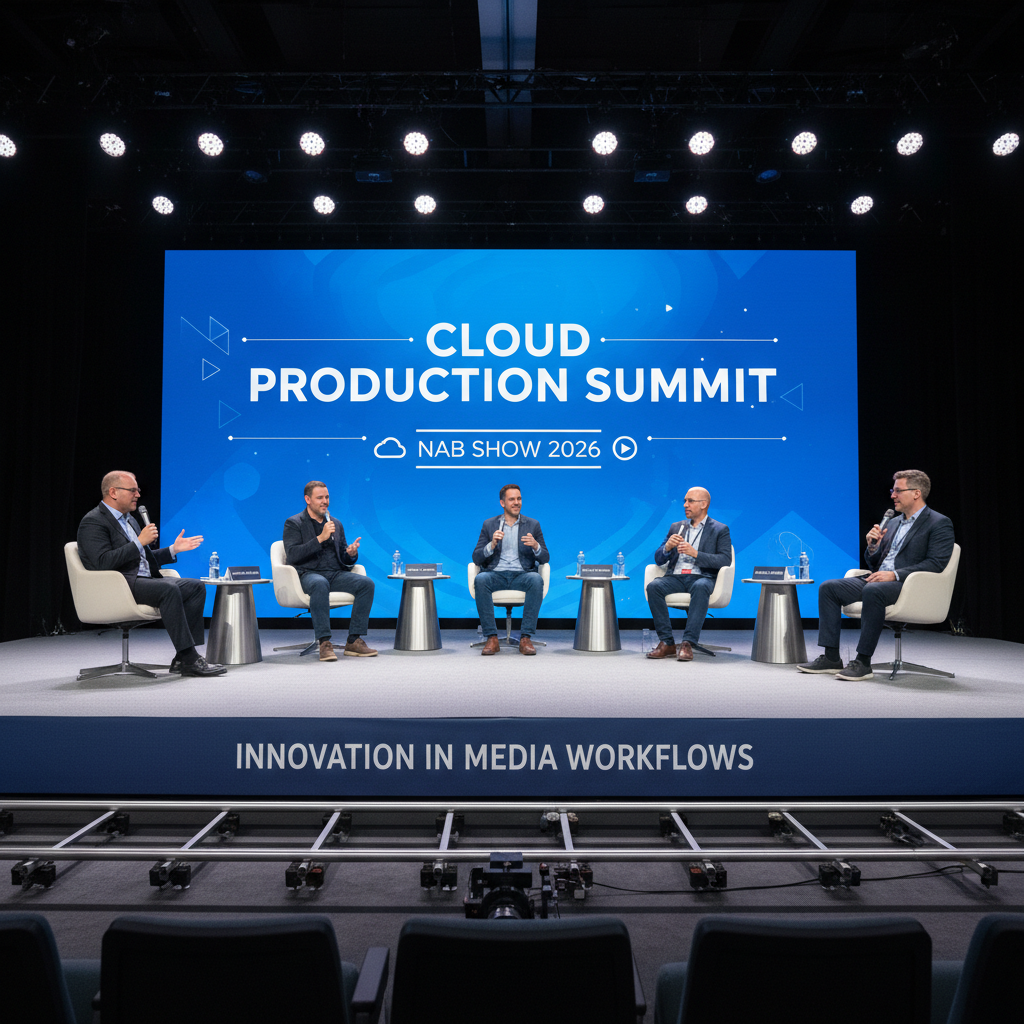
At NAB 2026, remote production is everywhere. Vendors across the show floor are demonstrating systems designed to support REMI workflows, and the conversations on the show floor reflect an industry that has fully embraced the model.
The economics of remote production are compelling. By centralizing production infrastructure and expertise, broadcasters can cover more events with the same resources, reduce travel costs, and improve the work-life balance of their production teams. These benefits have proven durable even as pandemic restrictions have lifted and traditional on-site production has become possible again.
Technology Maturation
The technology supporting remote production has matured significantly since the early days of pandemic-era REMI. Latency has been reduced to the point where it's no longer a significant constraint for most production types. Audio quality has improved dramatically, with new systems capable of delivering the same audio performance remotely as on-site. And the reliability of IP transport networks has increased to the point where remote production is now considered as reliable as traditional approaches.
Tags