TESSERA SQ200 Gen 3: The New Pace-Setter in LED Processing
Brompton Technology's latest TESSERA SQ200 Gen 3 raises the bar for LED video wall processing with enhanced HDR capabilities, improved color science, and a new processing architecture designed for the demands of live production.
BroadcastBeat Editorial Team
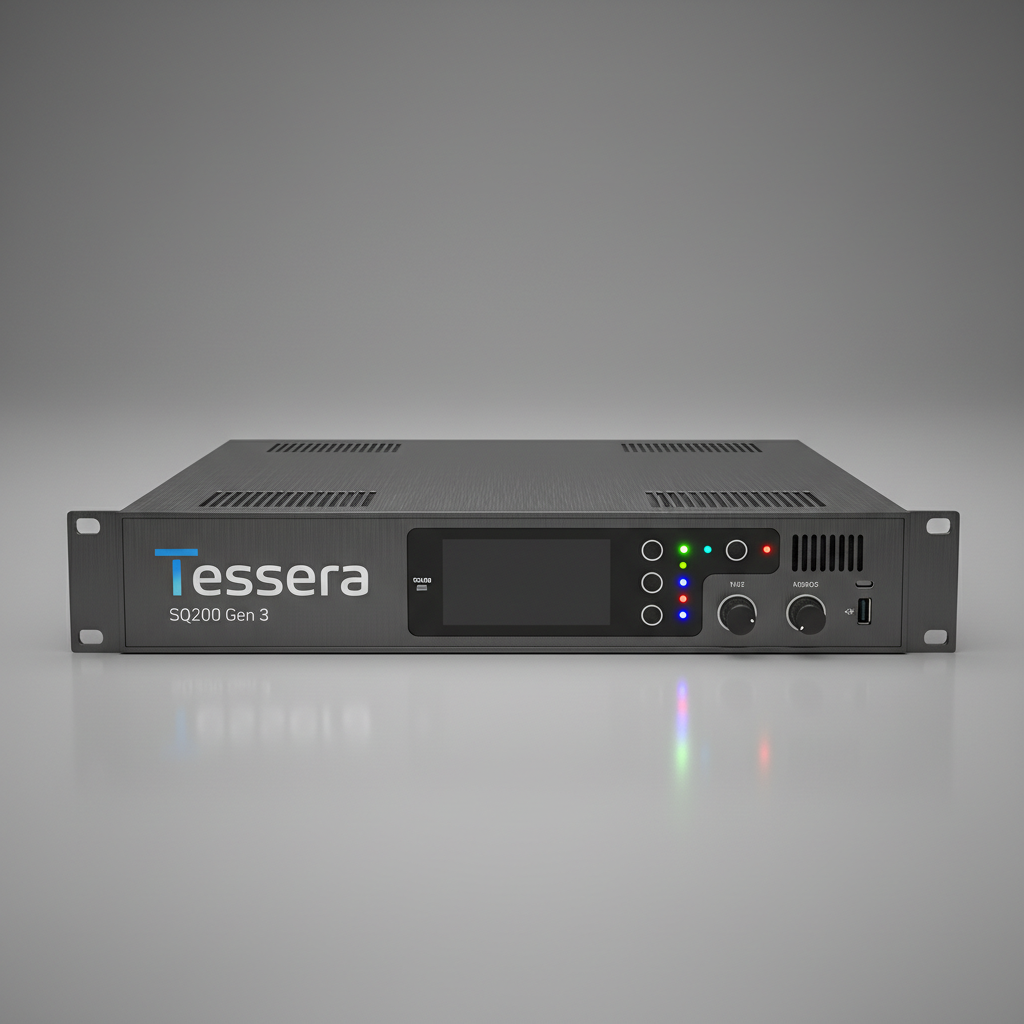
Brompton Technology has released the TESSERA SQ200 Gen 3, the latest iteration of its flagship LED video wall processor. The new generation brings significant improvements in processing power, HDR capabilities, and color science that position it as the definitive choice for demanding live production applications.
Processing Architecture
The SQ200 Gen 3 features a completely redesigned processing architecture that delivers substantially more processing power than its predecessor. This additional horsepower enables the processor to handle the increasingly complex LED configurations that are becoming standard in live production environments, including large-scale curved and irregular installations.
The new architecture also enables real-time processing of HDR content with greater accuracy and lower latency than previous generations. For live production applications where timing is critical, this improvement is significant.
Enhanced Color Science
Brompton has invested heavily in improving the color science of the SQ200 Gen 3, with particular attention to the challenges of matching LED panels from different manufacturers and production runs. The new color calibration tools make it easier to achieve consistent color across complex multi-panel installations, a persistent challenge in large-scale LED production.
The processor also introduces new capabilities for managing the color rendering of LED panels in different lighting conditions, which is particularly valuable for outdoor events and productions where ambient light levels change throughout the day.
Live Production Focus
Throughout the development of the SQ200 Gen 3, Brompton has maintained a clear focus on the needs of live production. The processor's redundancy features have been enhanced to provide even greater protection against single points of failure, and the management software has been redesigned to make it easier to configure and monitor complex installations under the time pressure of live events.
Tags