Remote Production Cost Analysis: Is REMI Really Saving Broadcasters Money?
Remote production promised significant cost savings, but the reality is more nuanced. A detailed analysis of where REMI delivers value and where the costs can surprise you.
Features Editor
Remote production — the REMI (Remote Integration Model) approach where cameras and basic infrastructure are deployed at the venue while production takes place at a central facility — has been widely adopted across the broadcast industry over the past several years. The promise of significant cost savings has been a major driver of this adoption, but the reality of REMI economics is more nuanced than the initial projections suggested.
Where REMI Delivers Real Savings
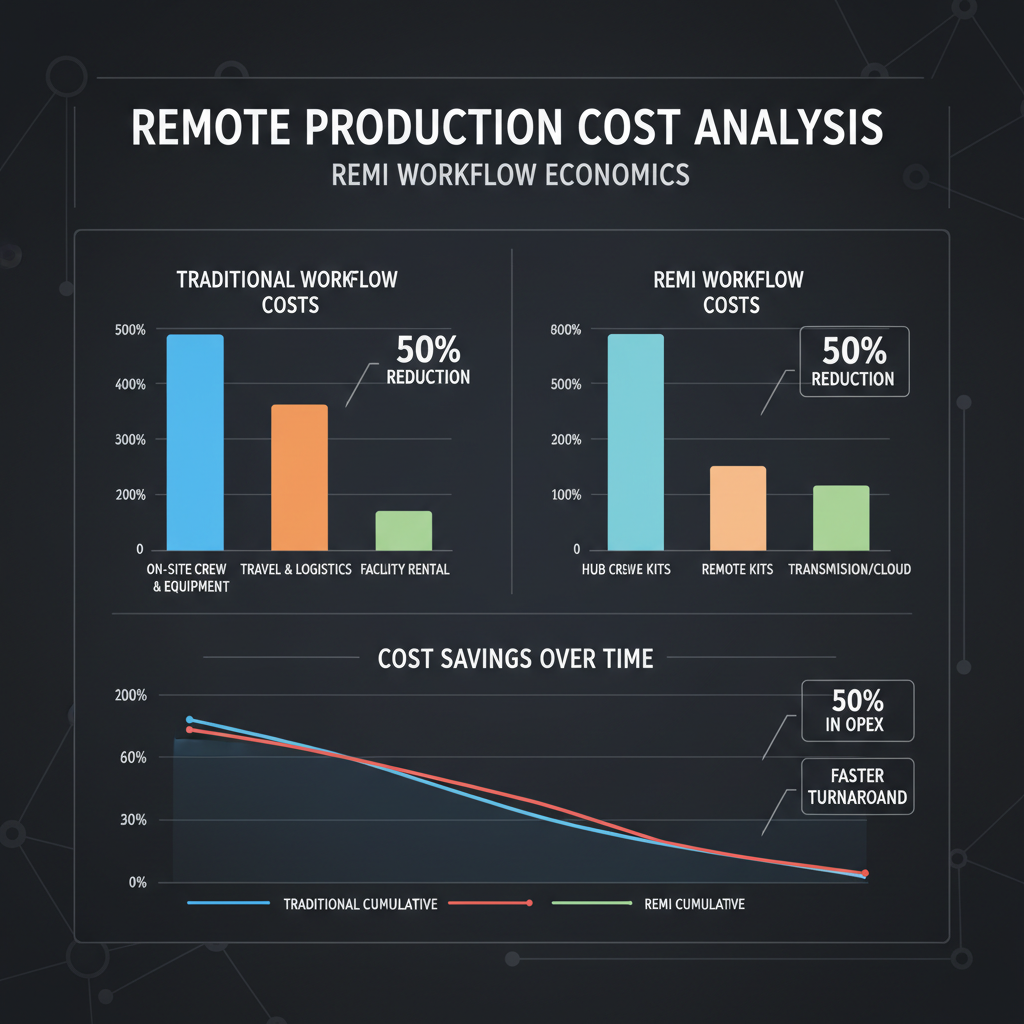
The most significant cost savings from REMI come from the reduction in travel and accommodation costs for production staff. For events that require large production teams, these costs can be substantial, and REMI can eliminate most of them by keeping the majority of the production team at the central facility.
Equipment costs are another area where REMI can deliver savings. By centralizing expensive production equipment at a single facility rather than deploying it to multiple venues, broadcasters can achieve higher utilization rates and reduce the total amount of equipment required. This is particularly valuable for broadcasters who cover multiple events simultaneously.
The Hidden Costs
The most common source of REMI cost surprises is network connectivity. Transporting high-quality video and audio from remote venues to central production facilities requires significant bandwidth, and the cost of this connectivity can be substantial, particularly for venues in locations with limited network infrastructure.
The investment required in central production infrastructure is another cost that is sometimes underestimated. While REMI reduces the equipment deployed at venues, it requires a well-equipped central production facility that can handle multiple simultaneous productions. Building and maintaining this infrastructure represents a significant capital investment.
The Verdict
For broadcasters who cover a high volume of events, particularly events that require large production teams and are spread across multiple locations, REMI can deliver significant cost savings. However, the economics are less favorable for broadcasters who cover fewer events or who have events concentrated in a small number of locations with good existing infrastructure.
Tags