SMPTE ST 2110 in Practice: Lessons from Real-World Deployments
Broadcast engineers who have deployed SMPTE ST 2110 infrastructure share the lessons they've learned and the pitfalls to avoid.
Audio Technology Editor
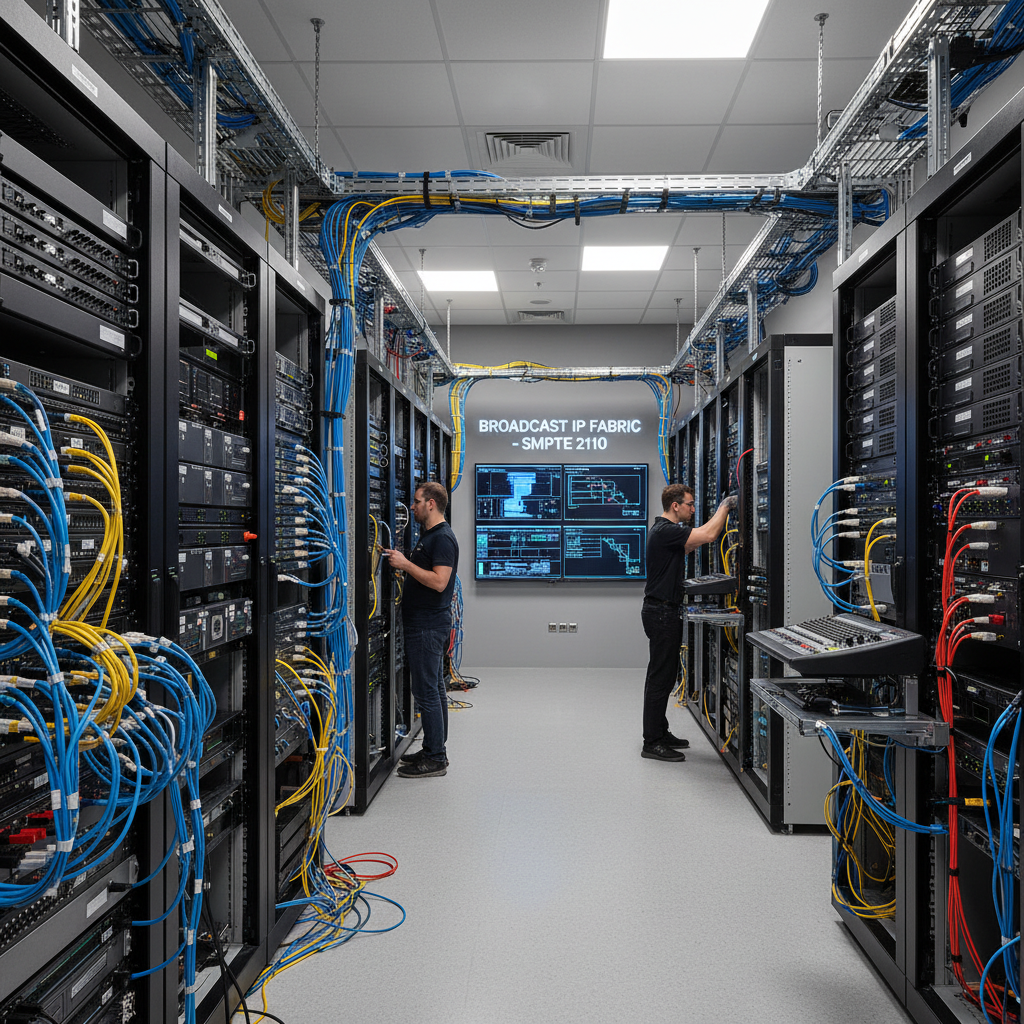
SMPTE ST 2110 has been in production deployment for several years now, and the broadcast engineering community has accumulated a significant body of practical knowledge about what works, what doesn't, and what to watch out for. This article draws on the experiences of engineers who have deployed ST 2110 infrastructure in real-world broadcast environments.
Start with the Network
The most consistent advice from experienced ST 2110 deployers is to start with the network. A well-designed, properly configured network is the foundation of a successful ST 2110 deployment, and problems at the network level will manifest as mysterious and difficult-to-diagnose issues at the application level.
Key network considerations include switch selection (not all switches are suitable for ST 2110 traffic), IGMP snooping configuration, and QoS settings. Getting these right from the start will save significant troubleshooting time later.
PTP Synchronization Challenges
Precision Time Protocol (PTP) synchronization is one of the most common sources of problems in ST 2110 deployments. The standard requires sub-microsecond synchronization across all devices, and there is a real risk that AI systems will make decisions that are technically correct but editorially inappropriate.
The most successful implementations are those where AI tools are designed to support human editorial judgment rather than replace it. This means building systems that are transparent about their reasoning, that allow human overrides, and that learn from editorial decisions over time.
Tags